The Complete Vitamin C Serum Guide: What Actually Works (and What Doesn't)
By PureGlow Editorial12 min read
The most effective vitamin C serums use L-ascorbic acid at 10–20 (cleanbeautyawards.com)% concentration, stabilized at pH 3.5 or below. Apply one to two drops to clean skin each morning before moisturizer and SPF. Look for airtight, opaque packaging to prevent oxidation. Results, brighter skin, reduced dark spots, typically appear within 4–8 weeks of consistent use.
How Vitamin C Works on Skin: The Science Behind the Results
Vitamin C (ascorbic acid) is a potent antioxidant that neutralizes free radicals generated by UV exposure and environmental pollution. These free radicals damage collagen fibers, lipid membranes, and DNA within skin cells, the cascade that causes visible photoaging. By donating electrons to unstable radical molecules, ascorbic acid interrupts that damage cycle before it compounds.
The brightening mechanism is equally precise. Vitamin C inhibits tyrosinase, the enzyme responsible for converting tyrosine into melanin. Block tyrosinase activity and you slow melanin production at the source, which is why consistent use reduces existing hyperpigmentation and prevents new dark spots from forming.
Collagen synthesis is the third pillar. Ascorbic acid is a required cofactor for prolyl and lysyl hydroxylase, the enzymes that stabilize collagen's triple-helix structure. Without adequate vitamin C in the dermis, fibroblasts produce structurally weak collagen. Topical application keeps those enzymes active, which supports skin firmness and reduces the progression of fine lines.
Why Topical Vitamin C Is Different From Dietary Vitamin C
Oral vitamin C is absorbed through the gut and distributed systemically. Only a fraction ultimately reaches skin tissue, and there is no mechanism to direct it toward the epidermis where photoaging occurs. Topical application bypasses that limitation entirely. Industry data suggests topical ascorbic acid achieves concentrations in the epidermis that oral dosing simply cannot replicate, even a diet rich in citrus and leafy greens leaves skin's local antioxidant reserves vulnerable to UV depletion.
This matters. Skin vitamin C levels drop sharply after sun exposure regardless of what you ate that day. A morning serum is genuine daily replenishment, not redundancy.
The Three Core Benefits Backed by Clinical Evidence
The clinical evidence covers three well-documented outcomes. First, brightening: topical L-ascorbic acid reduces existing hyperpigmentation and post-acne marks within 4–12 weeks of daily application. Second, antioxidant protection: vitamin C enhances SPF effectiveness when layered beneath sunscreen by neutralizing UV-induced oxidative stress that SPF filters alone do not address. Third, anti-aging: collagen stimulation improves skin firmness and reduces the appearance of fine lines over months of consistent use. Americans spend $1.5 billion on anti-wrinkle products annually (consumerreports.org), and most of that spending would be better directed at a well-formulated vitamin C serum than at peptide-only creams lacking antioxidant support.
The Different Forms of Vitamin C in Serums: Stability, Potency, and What They're Worth
Not all vitamin C is the same in a bottle. The form determines stability, penetration depth, irritation potential, and ultimately results. Understanding the chemistry here is worth your time.
L-ascorbic acid (LAA) is the most research-backed form and the gold standard for efficacy. It is also the most unstable. At neutral pH 7, 99.9% of ascorbic acid exists as the ascorbate anion rather than the uncharged acid form (pmc.ncbi.nlm.nih.gov), which penetrates skin poorly. Formulators must lower pH to 3.5 or below to maintain enough free ascorbic acid (~0.1% at pH 7 (pmc.ncbi.nlm.nih.gov)) for effective transdermal absorption. That low pH is why LAA serums can sting, and why they oxidize rapidly when exposed to air or light.
Oxidation is the core practical problem. Research on ascorbate solution stability shows there is about 3x more oxygen in the headspace air of a partially used bottle than in the solution itself (pmc.ncbi.nlm.nih.gov). Every time you open the cap, that oxygen reservoir accelerates degradation. This is why packaging quality is not a cosmetic detail, it is a stability variable.
L-Ascorbic Acid: When It's Worth It and When It's Not
LAA is best suited to normal or oily skin types targeting significant hyperpigmentation or early photoaging. The effective concentration range is 10–20 (cleanbeautyawards.com)%. Above 20 (cleanbeautyawards.com)%, irritation increases without a proportional gain in results, a well-formulated 15% performs equivalently to 20% for most users with better tolerability.
If your skin stings, turns red, or flakes after using an LAA formula, that is not "the vitamin C working." That is barrier disruption. Switch forms, not brands.
Stable Vitamin C Derivatives: The Better Choice for Sensitive Skin
Ascorbyl glucoside and magnesium ascorbyl phosphate (MAP) are stable pro-vitamin C derivatives that convert to ascorbic acid enzymatically within skin tissue. They work at higher pH levels, which eliminates the sting problem and dramatically reduces irritation risk. Sodium ascorbyl phosphate (SAP) follows the same principle and has emerging evidence for antibacterial activity that may benefit acne-prone skin.
Tetrahexyldecyl ascorbate (THD) is oil-soluble, allowing it to penetrate the lipid-rich skin barrier more readily than water-soluble forms. It is well-tolerated and increasingly popular, though independent clinical data remains more limited than for LAA.
The real trade-off with derivatives is timeline. Expect 8–12 weeks for visible results versus 4–8 weeks with a well-formulated LAA product. Slower is not ineffective. For anyone who has experienced redness, rosacea flares, or barrier disruption with LAA, derivatives are the rational choice, not a compromise.
How to Choose a Vitamin C Serum That's Actually Formulated Well
Formulation quality separates effective products from expensive disappointments. Here's the practical checklist.
Check the ingredient label first. Vitamin C should appear within the first five ingredients to confirm an effective concentration. Ferulic acid listed alongside vitamin C signals a stability-conscious formula, ferulic acid and vitamin E together stabilize LAA and amplify its antioxidant effect synergistically, a combination well-documented in cosmetic chemistry literature. This is why the antioxidant serum category should be evaluated by the full ingredient stack, not just the vitamin C percentage on the front label.
Avoid formulas with denatured alcohol (SD alcohol) as a primary ingredient. It accelerates oxidation and disrupts skin barrier function. High fragrance content is another red flag, fragrance can destabilize LAA and irritate skin simultaneously.
Reading the Ingredient Label: A Practical Checklist
Niacinamide combined with vitamin C is safe in correctly formulated modern serums, contrary to the outdated advice you may find circulating on social media. The concern was that high-heat mixing of the two produced niacin, a potential flushing agent, but modern cold-process formulation eliminates this risk. A niacinamide serum and a vitamin C serum can be layered in the same routine without issue.
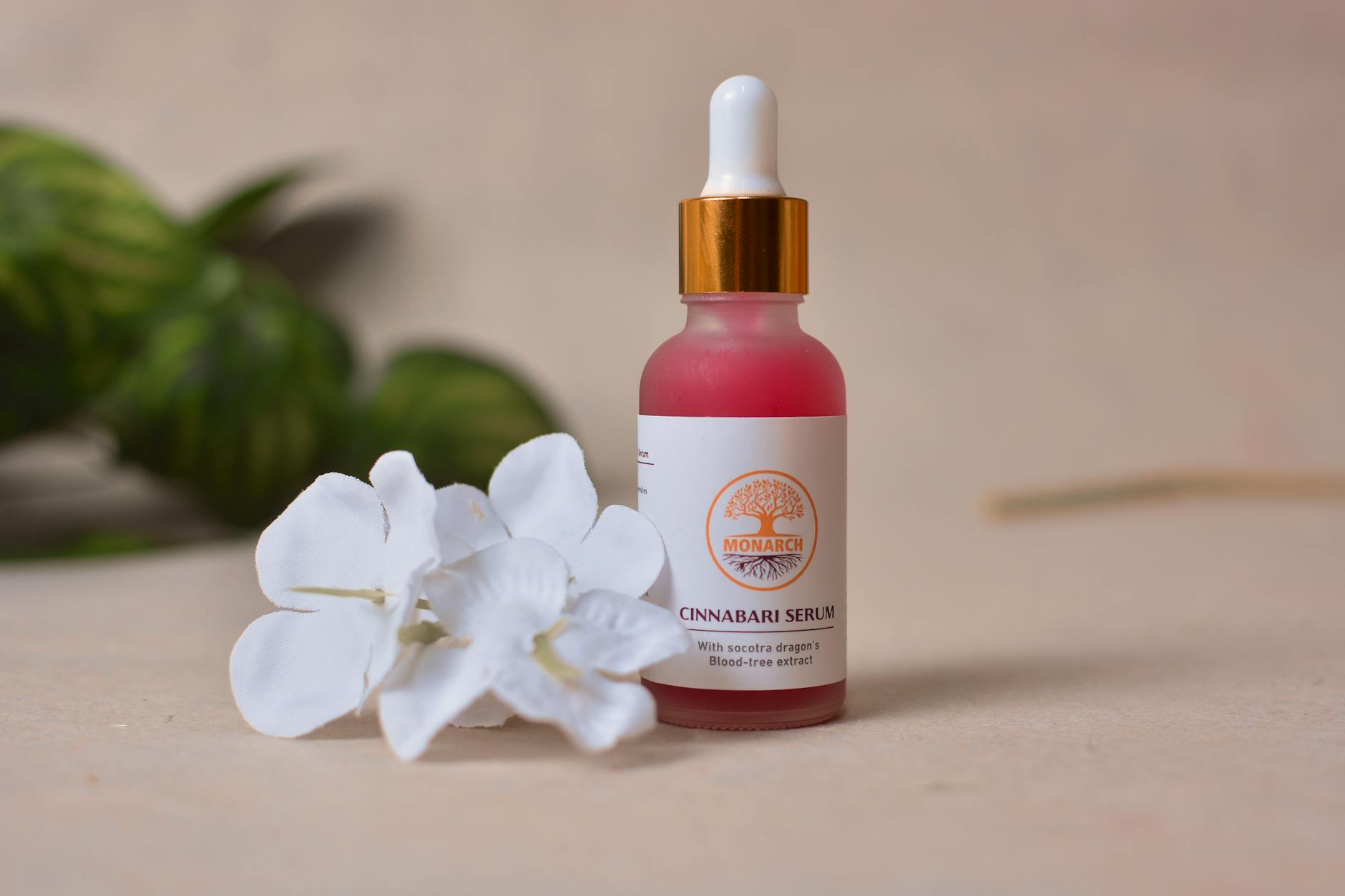
Packaging is a quality signal. Pump or dropper bottles in dark, airtight containers show the brand understands the oxidation science. Clear glass bottles are a warning sign regardless of price point.
How to Spot Greenwashing in 'Clean' Vitamin C Products
This is where many health-conscious shoppers lose money. Vague claims like "all-natural vitamin C" are unregulated. Ascorbic acid derived from tapioca or corn fermentation is chemically identical to synthesized ascorbic acid. The molecular structure does not change based on origin.
Legitimate clean brands, and skincare ingredient transparency is a genuine differentiator, not just a marketing move, list every ingredient, explain why each is included, and provide third-party certifications or published testing data. EWG Verified, COSMOS Organic, and NSF certifications involve actual independent testing. CertClean, one of the leading clean beauty verification programs, has certified over 2,000 products and uses a panel of 98 experts for effectiveness evaluation across more than 20 categories (cleanbeautyawards.com). That is a meaningful bar. A brand with a self-declared "clean" label and no published data is not meeting it.
At PureGlow Skincare, we submit every formulation to third-party testing before launch because we believe skincare ingredient transparency is non-negotiable, not a positioning choice.
How to Use Vitamin C Serum Correctly: Application, Layering, and Routine Building
Application sequence determines results. Use vitamin C serum in the morning. Its antioxidant properties complement daytime UV defense in a way that nighttime application does not replicate. The correct layering order is: cleanser, vitamin C serum, moisturizer, then SPF 30 or higher.
Apply 3–5 drops to clean, dry skin and press gently into the face, neck, and décolletage. For example, consider a busy professional who applies vitamin C serum each morning before work, using gentle pressing motions for 30 seconds to ensure absorption before layering their moisturizer and SPF. By week 6, they notice their post-acne marks have faded noticeably, and by week 12, their overall skin tone appears more even and radiant, validating the consistent daily routine they committed to. Do not rub, pressing minimizes oxidation from friction and improves absorption. Wait 60–90 seconds before applying moisturizer. This brief pause allows the low-pH serum to absorb and lets skin pH normalize before you layer a higher-pH product over it.
Vitamin C and SPF together matter. Vitamin C neutralizes the reactive oxygen species that UV filters do not block, specifically the oxidative stress generated by UV radiation after it penetrates the skin. A clean skincare routine that pairs an antioxidant serum with broad-spectrum SPF delivers layered photoprotection that either product alone cannot replicate. Skip SPF and you are leaving the most important synergistic benefit on the table.
Vitamin C and Retinol: Can You Use Both?
Yes. Use them at different times of day, not layered simultaneously. Vitamin C is a morning antioxidant. Retinol is a nighttime resurfacing treatment. Used in a split AM/PM retinol routine, they deliver complementary anti-aging benefits without ingredient conflict. If skin becomes irritated, pause the retinol first, vitamin C is the less likely culprit.
Ceramides, hyaluronic acid, and peptides make excellent companions to vitamin C serums. This is not just stacking for the sake of it. Ceramides support the lipid matrix that vitamin C serums at low pH can temporarily disrupt in sensitive users. Hyaluronic acid as a follow-up moisturizer draws water into the epidermis, reducing any transient tightness from LAA. Peptides signal fibroblast activity, working in parallel with vitamin C's collagen co-factor role. Together, they support the skin barrier repair process rather than compromising it.
What to Expect: Realistic Results and Timeline
Results take time. Be patient. In weeks 1–2, there are no visible changes, but vitamin C is building antioxidant reserves in tissue. By weeks 4–6, subtle brightening appears and skin tone looks more even. By weeks 8–12, measurable reduction in dark spots and hyperpigmentation is visible for most users. By months 3–6, improvements in fine lines and firmness follow with consistent daily use.
Collagen synthesis changes are cumulative. Skipping days consistently resets progress. Visible results require consistent use.
Common Vitamin C Serum Mistakes That Waste Your Money
Most vitamin C serum failures come down to avoidable user errors. Here are the most expensive ones.
Using an oxidized serum is the top mistake. If your serum has turned orange, yellow, or smells metallic, it has oxidized and will not deliver brightening or antioxidant results. It may still moisturize, but the active chemistry is gone. Discard it.
Storing serum on a sunny bathroom counter is a formulation killer. Heat and light degrade LAA within weeks. A bedroom drawer or medicine cabinet away from the shower extends shelf life meaningfully.
Buying high-concentration LAA when your skin is sensitive is counterproductive. Irritation leads to quitting. Quitting yields no results. A 10% derivative formula used daily outperforms a 20 (cleanbeautyawards.com)% LAA serum used three times before abandonment.
Expecting overnight results and quitting at week three is the most common waste pattern. The 4–8 week efficacy window is real, most of the collagen synthesis and melanin-inhibition work happens below the surface before it becomes visible.
How to Store Vitamin C Serum to Preserve Potency
Store vitamin C serum in a cool, dark location. Refrigeration extends LAA serum shelf life and is strongly recommended for infrequent users. Close the cap immediately after every use to minimize the oxygen headspace problem. Write the opening date on the bottle. Discard unrefrigerated LAA serums after 3 months and refrigerated ones after 6 months. A fridge-stored serum that is still clear and pale yellow is still active. An orange serum at any storage condition is not.
Dermatologist-developed formulations take this seriously. Products that emphasize clinical efficacy over marketing claims are typically designed around stability first, that means specific preservative systems, tested pH values, and packaging chosen for function rather than aesthetics. The difference between a dermatologist-formulated vitamin C serum and a trend-driven one often comes down to whether stability testing data exists at all.
Frequently Asked Questions
What percentage of vitamin C in a serum is most effective?
For L-ascorbic acid, 10–20% is the clinically supported range. Below 10%, studies show limited efficacy at the skin level. Above 20%, irritation increases without proportional benefit — a well-formulated 15% product performs equivalently to 20% for most users with significantly better tolerability. For stable derivatives, effective concentrations vary by form and formulation.
Can I use vitamin C serum every day, or is that too much?
Daily morning use is the recommended protocol and is well-tolerated by most skin types. Consistent daily application maintains antioxidant reserves in the epidermis and produces measurably better results than intermittent use. If you have sensitive skin, introduce gradually — three days per week for two weeks — before committing to daily application.
Why did my vitamin C serum turn orange or brown — is it still usable?
No. Orange or brown discoloration means the L-ascorbic acid has oxidized and is no longer active. Oxidized ascorbic acid converts to dehydroascorbic acid and then to inactive breakdown products. Using an oxidized serum will not deliver brightening or antioxidant benefits. Discard it and replace with a fresh, properly stored product.
Is vitamin C serum safe to use during pregnancy?
Topical vitamin C is generally considered safe during pregnancy and is not a restricted ingredient. L-ascorbic acid and its stable derivatives do not carry the contraindications associated with retinoids or high-dose chemical exfoliants. Always confirm with your ob-gyn or dermatologist before adding any new product to your routine during pregnancy or breastfeeding.
Can vitamin C serum cause breakouts or make acne worse?
Vitamin C serums do not typically cause acne. Sodium ascorbyl phosphate (SAP) has emerging evidence for antibacterial properties that may benefit acne-prone skin. LAA serums at low pH can occasionally cause temporary purging in oily skin types. A lightweight, oil-free formulation with SAP or ascorbyl glucoside is the best choice for combination or acne-prone skin.
What's the difference between vitamin C serum and vitamin C moisturizer — which is better?
Serums deliver higher concentrations of vitamin C at lower pH — both are required for L-ascorbic acid to penetrate effectively. Moisturizers use higher pH to be comfortable, which limits LAA absorption significantly. For active brightening and antioxidant results, a dedicated vitamin C serum is more effective than a moisturizer with vitamin C listed as a secondary ingredient.
Do I need vitamin C serum if I already use a brightening moisturizer?
A brightening moisturizer and a vitamin C serum serve different functions. Most brightening moisturizers rely on niacinamide, kojic acid, or low-dose derivatives rather than concentrated ascorbic acid. If hyperpigmentation treatment, collagen stimulation, and SPF synergy are goals, a dedicated antioxidant serum delivers results that brightening moisturizers cannot replicate at their typical concentrations.
How do I know if a 'clean' vitamin C serum is actually formulated well or just marketing?
Look for third-party certifications — EWG Verified, COSMOS Organic, or NSF — over self-declared clean claims. Check that vitamin C appears in the first five INCI ingredients. Confirm the brand publishes stability testing data or clinical trial results. Any brand using vague 'all-natural' language without ingredient transparency is signaling marketing intent, not formulation quality.
Can people with rosacea or extremely sensitive skin use vitamin C serum?
Yes, with the right form. L-ascorbic acid at low pH is typically too irritating for rosacea-prone or extremely sensitive skin. Magnesium ascorbyl phosphate (MAP) and ascorbyl glucoside work at higher, less irritating pH levels and convert to active ascorbic acid within skin tissue. Start with a lower-percentage derivative formula and introduce slowly over several weeks.
What are the key ingredients to look for in a vitamin C serum?
Look for vitamin C listed within the first five ingredients, ferulic acid for stability and synergistic antioxidant effect, and vitamin E as a complementary antioxidant. Ceramides and hyaluronic acid as supporting ingredients protect the skin barrier. Avoid serums with denatured alcohol as a primary ingredient or high fragrance content — both undermine efficacy and barrier integrity.
How does the potency of vitamin C affect its effectiveness?
Potency directly affects how much active ascorbic acid reaches the dermis. Below 10% LAA, clinical studies show limited measurable skin-level effect. Between 10–20%, efficacy increases. Above 20%, tolerability drops without added benefit for most users. For stable derivatives, effective concentration thresholds differ — formulation stability and delivery mechanism matter as much as the raw percentage on the label.
Are there any side effects of using high-dose vitamin C serums?
High-concentration L-ascorbic acid at pH 3.5 or below can cause stinging, redness, and temporary barrier disruption, especially in sensitive skin types. These are not signs of efficacy — they are signs of irritation. If redness or flaking persists beyond the first two weeks of use, switch to a lower concentration or a stable derivative form rather than pushing through.
How do vitamin C serums compare to creams in terms of absorption and results?
Serums absorb faster and penetrate deeper than creams due to smaller molecular vehicles and lower viscosity. For L-ascorbic acid specifically, the low pH required for skin penetration is achievable in a serum but not in a moisturizing cream, which needs a higher pH to be comfortable. For measurable brightening and collagen support, serums consistently outperform vitamin C creams.
Which vitamin C serum is best for acne-prone skin?
Sodium ascorbyl phosphate (SAP) is the best vitamin C form for acne-prone skin. It is water-soluble, stable at skin-friendly pH levels, and has emerging evidence for antibacterial activity relevant to acne pathology. Choose an oil-free, non-comedogenic base formula. Avoid LAA serums with heavy emollient bases, which can clog pores despite the vitamin C content.
Sources & References
Related Posts

Mineral vs. Chemical Sunscreen: Which Filter Is Actually Better for Your Skin?
Not all sunscreens protect skin the same way. Mineral filters physically block UV rays using zinc oxide or titanium dioxide, while chemical filters absorb and convert UV energy. Understanding the difference helps you choose protection that's both effective and right for your skin type.
12 min read
How to Build a Clean Beauty Routine from Scratch: A Beginner's Step-by-Step Guide
Building a clean beauty routine doesn't require a dermatologist or a $500 budget. This guide walks beginners through every step — from decoding ingredient labels to choosing clinically effective natural products that actually deliver visible results.
14 min read
Natural vs. Regular Deodorant: What the Science Actually Says
The deodorant aisle has never been more confusing — or more contested. This science-backed comparison breaks down exactly how natural and conventional deodorants differ in ingredients, sweat control, safety profiles, and long-term skin health, so you can make an informed switch — or stay put — with confidence.
14 min read