
How to Build a Clean Beauty Routine from Scratch: A Beginner's Step-by-Step Guide
By PureGlow Editorial14 min read
I only have one link candidate to work with, so I'll insert it once where it fits most naturally.
To build a clean beauty routine from scratch, start with three core steps: a gentle cleanser, a moisturizer, and SPF 30+ sunscreen. Choose products free from parabens, synthetic fragrances, and sulfates, verified by third-party testing. Introduce one new product at a time, waiting one week between additions to monitor your skin's response.
What Clean Beauty Actually Means (And What It Doesn't)
The term "clean beauty" has no FDA-regulated definition. None. Any brand can print it on a label without meeting a single safety threshold (fda.gov). Clean beauty, as the industry broadly uses it, refers to products formulated without ingredients linked to health concerns: parabens, phthalates, formaldehyde-releasing preservatives, synthetic fragrances, and certain sulfates. But the definition stops there because no regulatory body enforces it.
This creates a significant greenwashing problem. Terms like "non-toxic," "pure," and "eco-friendly" carry zero legal weight. A product can claim all three while containing ingredients flagged by independent databases. The only reliable signals are third-party certifications: EWG Verified, COSMOS Organic, and Leaping Bunny have actual testing and audit criteria behind them.
Here's the deeper misunderstanding: natural does not automatically mean safe, and synthetic does not automatically mean harmful. Poison ivy is natural. Ceramides synthesized in a lab are skin-identical and clinically effective. What matters is the evidence behind an ingredient, not its origin story. At PureGlow Skincare, we built our formulas around this principle: ingredient transparency backed by peer-reviewed efficacy data, not just marketing language.
The Most Common Ingredients Clean Beauty Avoids
Knowing what clean beauty excludes is more actionable than knowing what it includes. The core avoidance list covers six categories:
- Parabens (methylparaben, propylparaben): preservatives with documented endocrine-disrupting concerns in peer-reviewed literature (niehs.nih.gov)
- Synthetic fragrance: a single word that can legally mask hundreds of undisclosed chemicals, including phthalates
- Sulfates (SLS/SLES): harsh surfactants that strip the skin barrier, particularly damaging for sensitive and dry skin types
- Formaldehyde-releasing preservatives: DMDM hydantoin, quaternium-15, and imidazolidinyl urea
- Phthalates: plasticizers frequently hidden under the umbrella term "fragrance" in conventional products
- Oxybenzone: flagged for potential hormonal activity and coral reef damage, making mineral sunscreen alternatives the clean standard
How to Spot Greenwashing on a Product Label
Look for certification logos, not marketing copy on the front of the packaging. Then flip the bottle and read the full INCI (International Nomenclature of Cosmetic Ingredients) ingredient list. Real clean products disclose everything. Cross-reference unfamiliar ingredients with the EWG Skin Deep database, which rates over 90,000 cosmetic ingredients by safety evidence level (ewg.org). Brands serious about ingredient transparency publish their "never list" or restricted substances list publicly on their website.
The Core Four: Essential Steps in Every Clean Beauty Routine
A functional clean skincare routine needs exactly four steps: cleanse, treat, moisturize, and protect. That's it. More products do not mean better results. Overloading the skin disrupts its barrier function, which is the opposite of what clean beauty is designed to do.
Application order follows a simple rule: lightest to heaviest texture, water-based before oil-based. Morning and evening routines serve different purposes. Morning focuses on protection. Evening focuses on repair. Keep both simple when you're starting out.
Step 1: Cleansing Twice Daily With the Right Formula
Cleanse morning and evening, but not with the same intensity. Evening cleansing removes sunscreen, pollution, and the day's buildup. Morning cleansing removes overnight sebum and product residue from your evening routine. Use a low-pH, sulfate-free cleanser for both. Clean surfactants to look for include coco-glucoside, decyl glucoside, and aloe vera-based formulas. Hot water damages the skin's lipid barrier. Use lukewarm water every time.
For makeup wearers, double cleansing is a proven approach: an oil-based cleanser first to dissolve sunscreen and makeup, followed by a gentle water-based cleanser to clear the skin properly. Micellar water works for minimal-makeup days and is a valid option for sensitive skin types that react to foaming formulas.
Step 2: Toner, Application Timing, and the Damp Skin Rule
Toner is optional, but worth understanding correctly. The old alcohol-heavy astringent toner is not what clean beauty recommends. A clean toner serves as a pH-balancing step between cleansing and treatment, and it primes the skin to absorb subsequent products more effectively. Look for hydrating formulas with ingredients like rose water, witch hazel (alcohol-free), or niacinamide rather than anything with alcohol denat, which strips the skin barrier over time.
Apply your treatments to slightly damp skin. Skin absorbs active ingredients more efficiently when it retains some moisture from cleansing. Apply your hyaluronic acid serum or vitamin C serum within 60 seconds of rinsing, before the skin dries completely. The same rule applies to moisturizer: damp skin application measurably improves absorption and reduces the amount of product needed.
Step 3: Treatment Actives With Clinical Evidence
The treatment step is optional for true beginners. Establish your baseline four-step routine for at least two weeks before adding any active ingredient. When you do add a treatment, clean actives with strong clinical backing include:
Vitamin C also degrades with light and air exposure, so packaging matters (nih.gov).
Niacinamide (vitamin B3): Clinically shown to reduce sebum production, minimize pore appearance, address hyperpigmentation, and support the skin barrier simultaneously.
Bakuchiol: The leading clean alternative to retinol.
Never layer high-concentration vitamin C with niacinamide without patch testing first. At high concentrations, they can interact and cause temporary flushing in reactive skin types.
Step 4: Mineral Sunscreen Is the Clean Standard
SPF 30+ every morning is non-negotiable. UV damage is the primary driver of premature skin aging, and this holds indoors too. UVA rays penetrate glass windows year-round, meaning sitting near a window without SPF exposes skin to cumulative photoaging damage over time (aad.org).
Mineral sunscreens using zinc oxide and titanium dioxide are the gold standard in clean beauty. Zinc oxide provides broad-spectrum UVA/UVB protection, is reef-safe, and carries anti-inflammatory properties that benefit acne-prone and sensitive skin. The common objection is white cast. Tinted mineral SPF formulas solve this directly and provide the added benefit of mild evening of skin tone.
Chemical sunscreens containing oxybenzone and octinoxate are the most scrutinized under clean beauty standards due to potential hormonal activity concerns and environmental impact. Choosing a mineral formula sidesteps both concerns without compromising protection.
How to Read a Skincare Ingredient List Like an Expert
Ingredients are listed in descending order by concentration. The first five ingredients account for the majority of the formula. If a hero ingredient like ceramide or vitamin C appears near the bottom of a 30-item list, it may be present at a concentration too low to produce a clinical effect. This is one of the most common product formulation tricks that catches beginners off guard.
The INCI system uses standardized Latin and chemical names, which is why "water" becomes "Aqua" and shea butter becomes "Butyrospermum Parkii." Learning 10 to 15 key ingredient names gives beginners enough literacy to evaluate most products without a chemistry degree.
High-Performance Clean Ingredients Worth Prioritizing
- Hyaluronic acid: A humectant that attracts moisture into the skin. Multi-weight formulas containing both high and low molecular weight hyaluronic acid work at different skin depths for layered hydration.
- Ceramides (1, 3, 6-II): Lipid molecules that restore and maintain the skin barrier. Ceramide-deficient skin is more prone to sensitivity, redness, and transepidermal water loss.
- Squalane: A lightweight, plant-derived emollient sourced from sugarcane or olives. Suitable for all skin types, including oily skin, because it closely mimics the skin's natural sebum.
- Zinc oxide: The most trusted clean sunscreen active. Physical UV blocker with anti-inflammatory properties and a strong safety record across all skin types.
Ingredients to Research Before You Buy
Some ingredients fall in a gray zone. Essential oils are natural but can be sensitizing, and citrus-derived oils are photosensitizing when used in daytime products. Talc carries controversy due to historical asbestos contamination concerns in some sourcing. PFAS (per- and polyfluoroalkyl substances) have been identified in certain color cosmetics. Look for "PTFE" on ingredient labels as a flag. Retinyl palmitate, a vitamin A ester, is debated in clean circles due to potential photo-instability. None of these are universally dangerous, but they warrant research before routine use.
Building Your Routine by Skin Type: Customization Without Overwhelm
The four core steps apply to every skin type. Customization happens through texture selection, concentration, and targeted actives, not through adding more products. Skin type is also not a fixed identity. It changes with season, hormones, diet, stress, and age. A routine that works in summer may need adjustment in winter when humidity drops and the skin barrier faces greater environmental stress.
Patch testing is the most underused tool beginners have. Apply a new product to the inner forearm for 48 hours before adding it to your face routine. This single habit eliminates most adverse reaction surprises.
Clean Routine for Oily and Acne-Prone Skin
Use a foaming or gel cleanser with salicylic acid. In clean formulas, willow bark extract serves as the natural source. Choose non-comedogenic, gel-cream moisturizers over heavy creams. Avoid coconut oil, which has a high comedogenic rating. Azelaic acid, derived from grains, works as both an anti-inflammatory and a treatment for post-acne hyperpigmentation without the irritation profile of stronger actives.
Consider a concrete example: someone dealing with combination-oily skin in a humid climate who wasted money on a "clean" face oil that broke them out. The issue wasn't clean beauty failing. The issue was coconut oil, a highly comedogenic ingredient marketed as natural and beneficial. Checking the INCI list and cross-referencing comedogenicity ratings first would have prevented the purchase.
Clean Routine for Dry and Sensitive Skin
Cream or balm cleansers preserve the lipid layer better than foaming formulas. Layer a hyaluronic acid serum under a ceramide-rich moisturizer for stacked hydration. For sensitive skin, introduce actives only after the skin barrier is fully restored. Irritated, compromised skin absorbs a higher chemical load, making it more reactive to even gentle actives. Fragrance-free is non-negotiable here, because both synthetic and natural fragrance can trigger sensitization reactions in reactive skin types (nih.gov).
Facial oils including rosehip, marula, and sea buckthorn provide targeted nourishment and are staples in clean beauty for dry skin. Apply them as the final step before SPF in the morning, or as the last step in your evening routine.
Transitioning to Clean Beauty Without Wasting Money
A full product swap overnight is unnecessary and expensive. Transition product by product as items run out. Start with the highest-exposure, longest-contact products: moisturizer and sunscreen absorb the most into skin over continuous use. Prioritize face products before body products because facial skin is more permeable and more sensitive.
The minimum effective clean routine doesn't require a large budget.
Price does not equal efficacy in clean skincare. Several clean drugstore brands outperform prestige competitors in published clinical testing. What you're paying for at the high end is often packaging, marketing, and fragrance, not better actives.
How to Evaluate a Clean Beauty Product Before You Buy
Use the EWG Skin Deep database, Think Dirty app, or INCI Decoder to check ingredient safety scores before purchasing. Look for third-party certification logos rather than self-declared claims. Verify that actives appear at effective concentrations. Brands with genuine clinical backing disclose ingredient percentages. Reputable clean brands also stand behind their efficacy with satisfaction guarantees.
The 4 to 6 Week Skin Adjustment Timeline
Give your skin 4 to 6 weeks before evaluating whether a new routine is working. Skin cell turnover cycles approximately every 28 days in younger adults and slows with age. Visible changes in texture, tone, and barrier function require at least one full turnover cycle to manifest. This timeline is not generic advice. It reflects the biological reality of epidermal renewal (nih.gov).
Introduce one new product every two weeks. Not one per week. Two weeks allows enough time to identify which product caused a reaction if your skin responds negatively. Adding multiple products simultaneously makes it impossible to isolate the cause of breakouts or irritation. Patience is the most underrated skincare tool available.
Frequently Asked Questions
What does 'clean beauty' actually mean, and is it regulated?
Clean beauty has no FDA-regulated definition in the United States. Any brand can use the term without meeting independent safety standards. In practice, clean beauty refers to products formulated without ingredients linked to health concerns: parabens, phthalates, synthetic fragrances, sulfates, and formaldehyde-releasing preservatives. Third-party certifications from EWG or COSMOS provide more reliable verification than brand claims alone.
Is clean beauty as effective as conventional skincare?
Yes, when formulated with clinically validated actives at effective concentrations. Vitamin C at 10-20%, niacinamide at 5-10%, bakuchiol at 0.5%, and ceramide-rich moisturizers all have peer-reviewed efficacy data. The gap between clean and conventional skincare has narrowed significantly as ingredient science has advanced. What clean beauty removes are preservatives and synthetic additives, not the actives that produce results.
What is the best order to apply skincare products in a clean beauty routine?
Apply products from lightest to heaviest texture, and water-based before oil-based. The standard order is: cleanser, toner (optional), vitamin C or treatment serum, moisturizer, then mineral sunscreen in the morning. Evening routines follow the same order but replace SPF with a facial oil or heavier night moisturizer. Apply treatments to damp skin for better absorption and faster visible results.
Is bakuchiol really a safe alternative to retinol for clean beauty beginners?
Bakuchiol is clinically validated. A peer-reviewed study published in the British Journal of Dermatology found that 0.5% bakuchiol twice daily produced significant reductions in fine lines, skin roughness, and hyperpigmentation comparable to retinol, without the dryness or photosensitivity that makes retinol difficult for beginners. Bakuchiol is also pregnancy-safe, making it broadly suitable where retinol is contraindicated.
How do I know if a skincare product is truly clean or just greenwashing?
Ignore front-of-label claims like "natural," "non-toxic," and "pure." These are unregulated. Flip the bottle and read the INCI ingredient list. Cross-reference it against the EWG Skin Deep database or INCI Decoder. Look for third-party certification logos: EWG Verified, COSMOS Organic, or Leaping Bunny. Brands committed to ingredient transparency publish a restricted substances list publicly on their website.
Can I use clean beauty products if I have acne-prone skin?
Absolutely. Several clean actives are clinically effective for acne-prone skin. Niacinamide at 5-10% reduces sebum and post-acne hyperpigmentation. Azelaic acid, derived from grains, treats active breakouts and pigmentation simultaneously. Salicylic acid from willow bark extract is available in clean formulations. Avoid highly comedogenic natural ingredients like coconut oil regardless of their clean status, since pore-clogging is determined by molecular structure, not origin.
What is the minimum clean beauty routine that actually works?
Three products cover the functional minimum: a sulfate-free cleanser, a ceramide or hyaluronic acid moisturizer, and mineral SPF 30+. This three-step routine addresses cleansing, barrier support, and UV protection, which are the three evidence-backed pillars of daily skincare. Add a single treatment serum only after establishing this baseline for at least two weeks. The entire routine can be built for under $75 at quality clean drugstore brands.
Are natural ingredients always safer than synthetic ones in skincare?
No. Natural origin does not determine safety. Poison ivy, arsenic, and many essential oils are entirely natural and cause real skin harm. Synthetic ceramides, hyaluronic acid, and niacinamide are lab-derived but skin-identical and clinically safe. The relevant question is whether an ingredient has documented safety and efficacy evidence, not whether it came from a plant or a lab. Peer-reviewed data and third-party testing matter more than source origin.
How long does it take to see results from a clean beauty routine?
Expect 4 to 6 weeks for meaningful visible results. Skin cell turnover takes approximately 28 days in adults, meaning you need at least one full regeneration cycle before assessing change. Hydration improvements may appear within days. Texture and tone changes take 4 to 8 weeks. Hyperpigmentation correction can take 3 to 6 months with consistent use. Introduce one new product every two weeks and evaluate after a full cycle before making adjustments.
Which third-party certifications should I look for when buying clean skincare?
The three most credible third-party certifications in clean skincare are EWG Verified, COSMOS Organic, and Leaping Bunny. EWG Verified requires full ingredient disclosure and restricts ingredients flagged for health concerns. COSMOS Organic certifies organic and natural cosmetics against rigorous European standards. Leaping Bunny confirms no animal testing at any production stage. All three require ongoing audits, unlike brand self-declarations, which are unverified.
What are the best clean beauty skincare products for beginners?
Beginners need three products to start: a sulfate-free gentle cleanser, a ceramide or squalane-based moisturizer, and a mineral SPF 30+ sunscreen with zinc oxide. Once the baseline routine is stable, add a single niacinamide or hyaluronic acid serum. Choose fragrance-free formulas verified by EWG or carrying COSMOS certification. Brands that disclose ingredient percentages and publish clinical data are the most trustworthy options for beginners.
How can I identify non-toxic ingredients in skincare products?
Read the full INCI ingredient list on the packaging and cross-reference it with the EWG Skin Deep database, which rates over 90,000 cosmetic ingredients by safety evidence level. The Think Dirty app and INCI Decoder are also reliable tools. Prioritize products with third-party certifications. Learn 10 to 15 key ingredient names, including the six most commonly avoided in clean beauty, to evaluate most products confidently without expert help.
What are some common mistakes to avoid when starting a clean beauty routine?
The most common mistakes are introducing too many products at once, skipping SPF, trusting front-label claims without reading the INCI list, and choosing heavy oils for oily or acne-prone skin. Not patch testing new products before full application is also a frequent error. Starting with more than four products overwhelms the skin barrier and makes it impossible to identify what is causing a reaction if one occurs.
How do I transition from traditional to clean beauty skincare?
Replace products one at a time as they run out rather than switching everything at once. Start with your highest-contact, longest-exposure products: moisturizer and sunscreen absorb most into skin over time. Prioritize face products before body products. Use the EWG Skin Deep database to score your current products and swap the lowest-rated ones first. Budget-conscious transitions can be completed under $75 for the full core routine using clean drugstore brands.
Are there any specific routines recommended for different skin types?
Yes. Oily and acne-prone skin benefits from gel cleansers with willow bark salicylic acid, niacinamide at 5-10%, and lightweight non-comedogenic moisturizers. Dry and sensitive skin needs cream or balm cleansers, layered hyaluronic acid under ceramide moisturizer, and strictly fragrance-free formulas. All skin types use the same four-step framework. Customization happens through product texture, active concentration, and targeted ingredients, not by adding more steps.
Sources & References
Related Posts

Mineral vs. Chemical Sunscreen: Which Filter Is Actually Better for Your Skin?
Not all sunscreens protect skin the same way. Mineral filters physically block UV rays using zinc oxide or titanium dioxide, while chemical filters absorb and convert UV energy. Understanding the difference helps you choose protection that's both effective and right for your skin type.
12 min read
Natural vs. Regular Deodorant: What the Science Actually Says
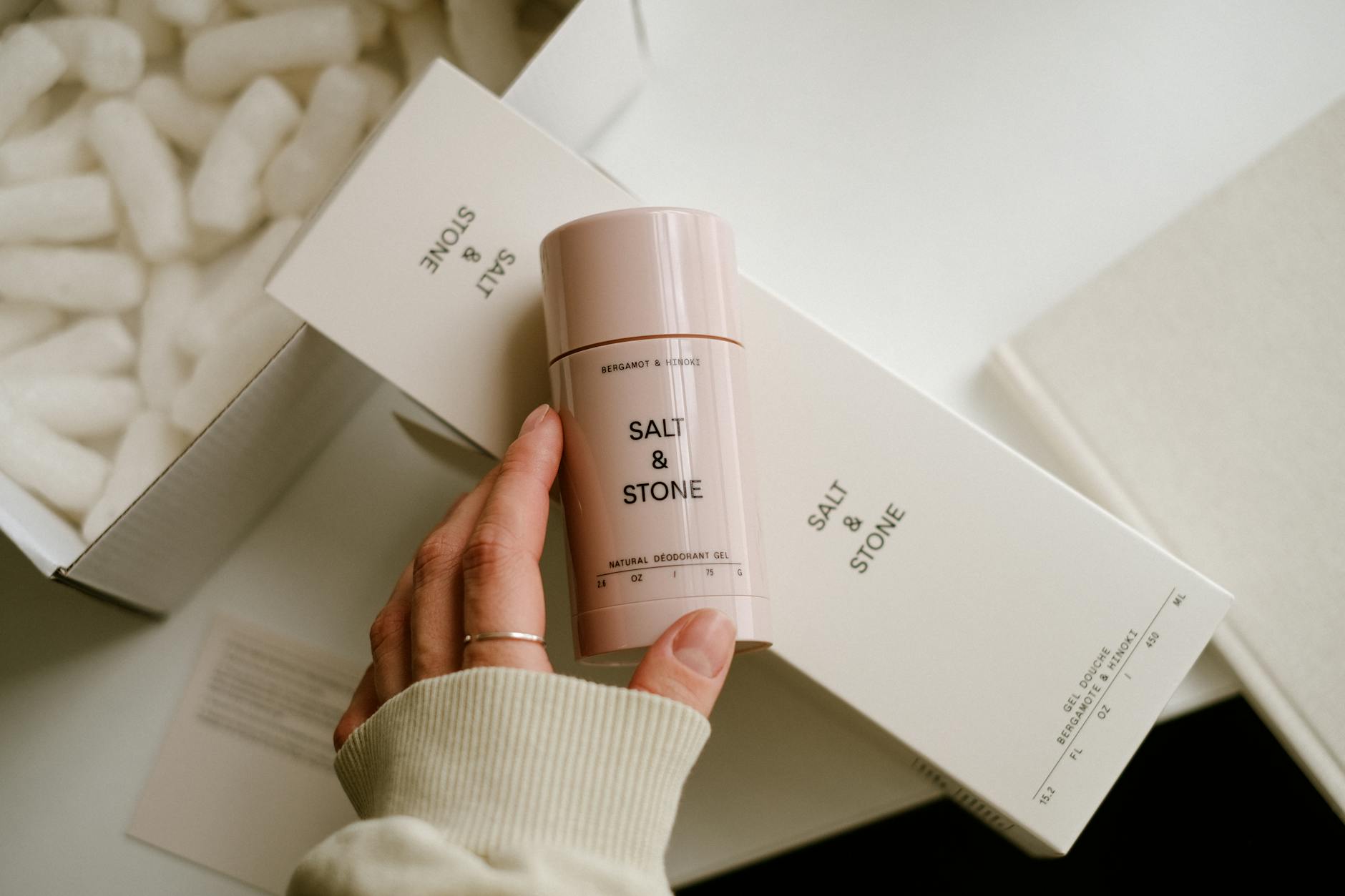
The deodorant aisle has never been more confusing — or more contested. This science-backed comparison breaks down exactly how natural and conventional deodorants differ in ingredients, sweat control, safety profiles, and long-term skin health, so you can make an informed switch — or stay put — with confidence.
14 min read
The Complete Vitamin C Serum Guide: What Actually Works (and What Doesn't)
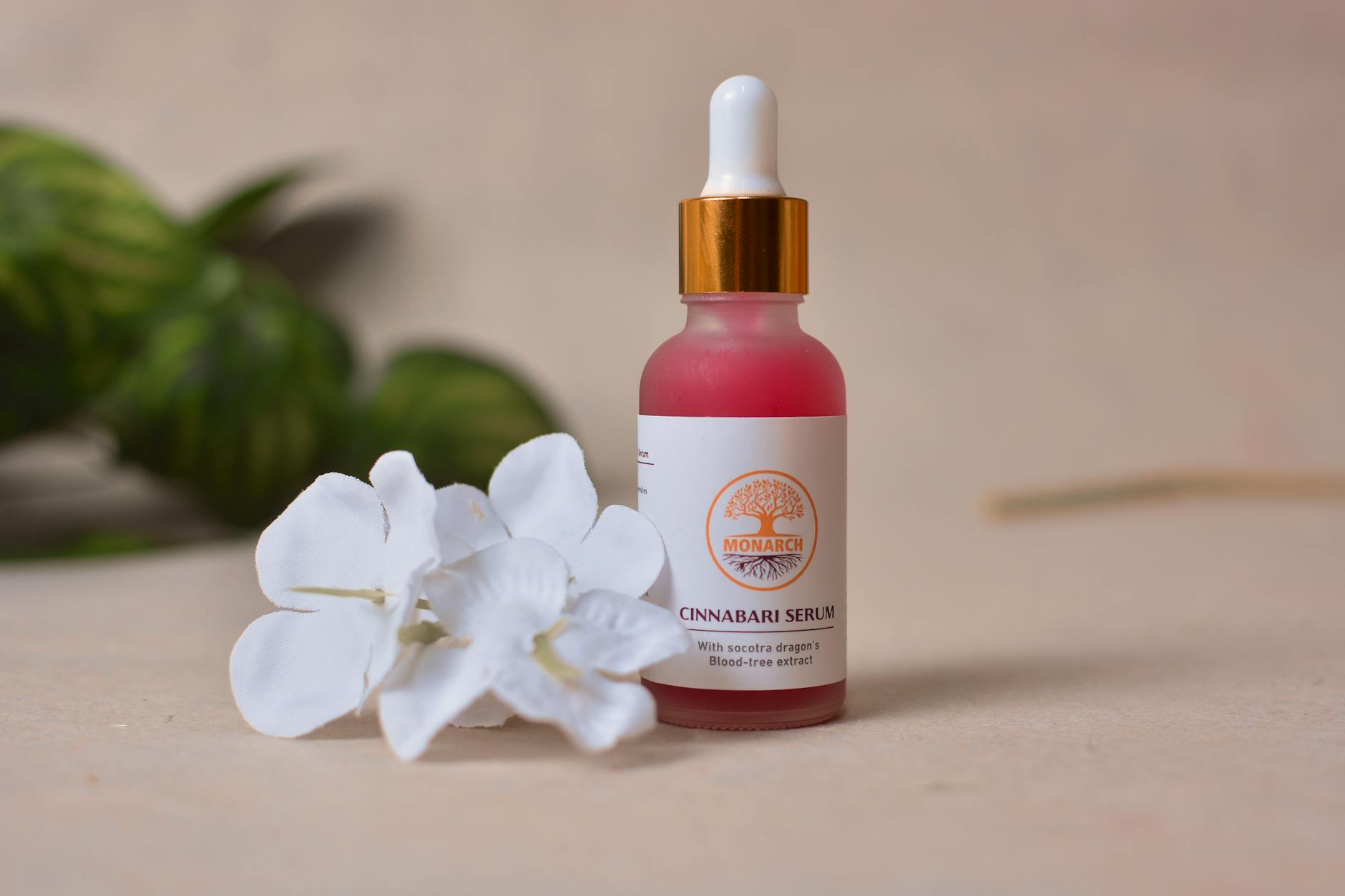
Not all vitamin C serums are created equal — and most shoppers don't know which form of vitamin C actually delivers results. This complete guide breaks down the science, the best formulations, and exactly how to use vitamin C serum for visible, lasting benefits.
12 min read