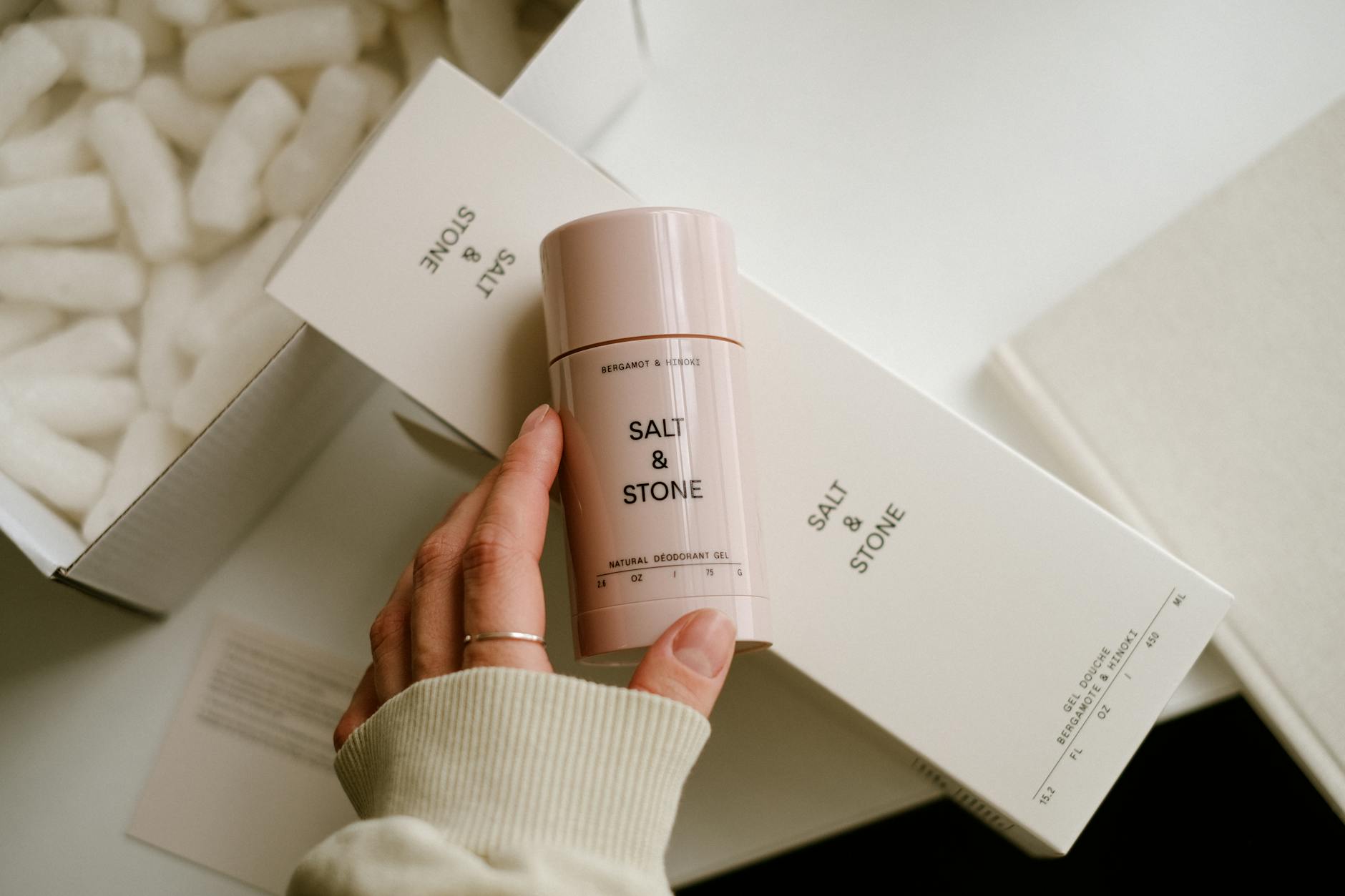
Natural vs. Regular Deodorant: What the Science Actually Says
By PureGlow Editorial14 min read
I have only one link candidate available. I'll find the single best natural fit for it in the content.
The anchor text hint "fragrance-free skincare" appears verbatim in the content and fits naturally. I'll use that as the anchor for the one available URL.
Natural deodorants use plant-based antimicrobials like baking soda or magnesium to neutralize odor-causing bacteria, while regular deodorants use aluminum salts to physically block sweat glands. Neither is inherently unsafe, but they work differently. Natural options require an adjustment period; conventional antiperspirants are clinically proven to reduce sweating, with aluminum chlorohydrate permitted at concentrations up to 25 percent (federalregister.gov).
How Natural and Regular Deodorants Actually Work
Sweat itself is odorless. Body odor forms when bacteria on your skin metabolize fatty acids and proteins secreted by apocrine glands, the glands concentrated in your underarms and groin. Eccrine glands, which cover most of your body, produce the watery sweat that cools you down. That distinction matters because it shapes exactly what each product category targets.
Conventional antiperspirants attack the problem at the source by using aluminum-based compounds, primarily aluminum chlorohydrate or aluminum zirconium, to form temporary gel plugs inside eccrine sweat ducts. The FDA regulates aluminum chlorohydrate at concentrations up to 25 percent in over-the-counter products, and aluminum zirconium octachlorohydrate at up to 20 percent (federalregister.gov). These plugs physically reduce how much sweat reaches the skin surface, which in turn starves odor-causing bacteria of the substrate they need.
Natural deodorants take the opposite approach. They do not block sweating at all. Instead, they create an environment where odor-causing bacteria struggle to thrive. Baking soda (sodium bicarbonate) raises local skin pH to a level bacteria find inhospitable. Magnesium hydroxide works by releasing magnesium ions that disrupt bacterial cell membranes without dramatically shifting skin pH. Zinc ricinoleate physically absorbs odor molecules. Hops extract, increasingly popular in newer formulations, contains iso-alpha acids that have demonstrated antimicrobial activity against the Staphylococcus and Corynebacterium species most responsible for underarm odor in preliminary laboratory research. None of these ingredients are magic, but together they can provide meaningful odor control.
The regulatory line is sharp. The FDA classifies antiperspirants as over-the-counter drugs, subject to monograph requirements and ingredient concentration limits. Deodorants are cosmetics. That single distinction means conventional antiperspirants have a defined, tested mechanism, while natural deodorant formulas vary enormously in concentration and quality.
What "Natural" Actually Means on a Label
Here's a hard truth. "Natural" has no legal definition in U.S. or EU cosmetics regulation. Any brand can print it on a stick of deodorant containing synthetic fragrance, alcohol, and preservatives. What actually signals a clean formulation is third-party certification: EWG Verified, COSMOS Organic, or MADE SAFE. These programs audit ingredient sourcing, concentration safety, and manufacturing practices. At PureGlow Skincare, we require third-party testing and dermatologist review for every formula we develop, because "natural" alone tells a consumer almost nothing. This commitment to transparency ensures that our customers can trust the quality and safety of every product they use on their skin.
Watch for greenwashing beauty tactics: vague phrases like "plant-powered" or "free from harsh chemicals" without any certification to back them up.
Ingredient-by-Ingredient Safety Comparison
This is where the real conversation lives, and where most competitor content falls short by citing brand blogs instead of independent research.
Aluminum compounds: The breast cancer and Alzheimer's concerns circulating online have been examined in multiple large-scale studies. The American Cancer Society states there is no strong evidence linking aluminum-based antiperspirants to breast cancer. Major toxicology bodies, including the WHO's International Agency for Research on Cancer, do not classify topical aluminum exposure from antiperspirants as a carcinogen. The Alzheimer's Association similarly does not list antiperspirant aluminum as a risk factor. One legitimate caution exists: the FDA recommends that people with kidney disease consult a physician before using aluminum-containing antiperspirants, because impaired kidneys may eliminate absorbed aluminum less efficiently.
Baking soda: Effective at odor neutralization, but problematic for many users. Sodium bicarbonate sits at a pH of approximately 8.3. Healthy underarm skin sits around pH 5.5. That gap disrupts the skin barrier, causing redness, rash, and sometimes painful irritation, particularly after shaving. This is the single most common complaint in natural deodorant reviews, and it is entirely predictable from basic skin chemistry.
Magnesium hydroxide: A gentler alternative with emerging support. Its pH is more compatible with skin, and research into its mechanism suggests it works by releasing magnesium ions that interfere with bacterial metabolism rather than by broadly killing bacteria. For users who cannot tolerate baking soda, magnesium deodorant formulations are worth prioritizing.
Essential oils (tea tree, lavender, eucalyptus): Widely used in natural deodorants as secondary antimicrobials. The EU Scientific Committee on Consumer Safety classifies several common essential oils as contact allergens. Natural fragrance is not inherently safer than synthetic fragrance when it comes to contact dermatitis risk. Both categories carry comparable sensitization potential for vulnerable individuals.
Parabens and triclosan: Largely historical concerns now. Major conventional brands have phased out parabens in response to consumer pressure, though the scientific evidence of harm at cosmetic doses remains limited. Triclosan was banned by the FDA in 2016 for rinse-off products and has been voluntarily removed from most leave-on formulas.
Fragrance, listed as a single undisclosed ingredient in both natural and conventional products, remains the most consistent irritant trigger across categories. Fragrance-free skincare and fragrance-free deodorant formulations are the safest choice for anyone with a history of sensitive skin or contact dermatitis.
A Note on Hormonal Balance Claims
Some natural deodorant brands claim their products support hormonal balance by eliminating aluminum absorption. The evidence here is thin. Dermal absorption of aluminum from antiperspirants is measurable but extremely low compared to dietary aluminum intake. Independent toxicology reviews have not established a credible hormonal disruption pathway from topical aluminum at cosmetic concentrations. The more defensible reason to choose aluminum-free products is personal preference and skin sensitivity, not documented hormonal risk.
Effectiveness: Odor Control and Sweat Reduction Head-to-Head
Conventional antiperspirants win on sweat reduction. Full stop. The FDA monograph framework exists precisely because clinical trials back their mechanism. Concentration limits ranging from 15% to 25% depending on the compound are designed to ensure efficacy with an acceptable safety margin (libertymanagement.us).
Natural deodorant effectiveness is real but variable. The composition of your underarm microbiome is individual, which is why two people using the same natural product can have completely different results. One person swears by it; another is back to conventional within a week. Product quality matters enormously here. A well-formulated magnesium-based stick with zinc ricinoleate and a prebiotic complex performs very differently from a bargain baking-soda bar. In our experience, investing in verified active concentrations and quality ingredients makes the difference between a natural deodorant formula that actually works and one that disappoints users during the transition period. Prioritizing aluminum-free, botanical-rich options with verified active concentrations is not just marketing advice. It is the difference between a formula that works and one that doesn't.
The Transition Period: What the Science Actually Shows
The "detox period" is real, and it is not a myth invented by natural deodorant brands. When you stop using an aluminum antiperspirant, sweat ducts that were temporarily plugged begin to function normally again. Simultaneously, the underarm microbiome, which has been operating under suppressed-sweat conditions, starts to rebalance. This process takes time. Dermatologists generally estimate two to four weeks before the skin microbiome stabilizes into a new steady state.
During this window, temporary increases in moisture and odor are expected. This is not your body "detoxing" in the supplement-marketing sense. It is a straightforward physiological adjustment. The practical advice from dermatologists: start the switch during a cooler, lower-activity period. Consider using a kaolin clay or bentonite underarm mask a few times per week to absorb excess moisture. Evidence for the mask approach is anecdotal, but the mechanism (clay absorbing surface moisture) is sound.
Consider a specific scenario: if you're a yoga instructor switching to natural deodorant in January rather than July, you give yourself the best chance of getting through the transition without a bad experience at work.
When Natural Deodorant Is Not Enough
Hyperhidrosis, a condition involving excessive, uncontrollable sweating, affects a meaningful portion of the population and typically requires prescription-strength or clinical antiperspirant formulations. Hormonal fluctuations during the menstrual cycle, perimenopause, or thyroid disorders can significantly increase sweat volume during peak periods, making natural-only options less reliable. Athletes and people in consistently hot or humid environments report higher rates of natural deodorant failure in independent consumer surveys. For these individuals, conventional antiperspirants are not a compromise. They are the appropriate clinical tool.
Natural vs. Regular Deodorant: Full Comparison Table
The organic deodorant market is projected to surpass USD 553.44 million by 2034 (precedenceresearch.com), reflecting genuine consumer demand. But market size does not equal clinical validation. Demand and efficacy are different conversations.
Pros and Cons: Natural Deodorant
Pros:
- Aluminum-free by definition
- Often formulated without synthetic fragrance or parabens
- Typically cruelty-free and sustainably packaged
- Allows natural sweating, leaving thermoregulation unimpaired
- Growing clinical-strength options using mandelic acid, prebiotic complexes, and encapsulated zinc
- Third-party certification options provide real transparency
Cons:
- Does not reduce sweat volume
- Effectiveness varies significantly by individual and product quality
- Baking-soda formulas can cause skin irritation and barrier disruption
- Requires a 2 to 4 week transition period
- Generally higher price per unit than conventional drugstore options
- Fewer standardized efficacy benchmarks
Pros and Cons: Regular Antiperspirant
Pros:
- Clinically demonstrated sweat reduction via FDA-regulated mechanism
- Widely available and affordable
- Decades of safety data from large-scale epidemiological studies
- No transition period required
- Prescription-strength options available for hyperhidrosis
Cons:
- Contains aluminum compounds (persistent public concern despite current evidence)
- May stain clothing through aluminum-protein reactions
- Blocks a natural physiological process
- Some formulas contain synthetic fragrance, alcohol, or propellants
- Environmental concerns around aerosol packaging
The Verdict: Which Deodorant Should You Choose?
The right answer depends on your physiology, not on marketing. Here is a clear decision framework.
Choose a well-formulated natural deodorant if: You have moderate sweat levels, you are motivated to avoid aluminum, you are willing to navigate the transition period, and you are prepared to invest in a quality formula with verified active ingredients rather than a baking-soda-heavy product that will irritate your skin.
Choose a conventional antiperspirant if: You have hyperhidrosis, exercise intensely in a hot climate, experience significant hormonal-driven sweat increases, or simply need reliable sweat control without a transition period. The safety data supports its use. Choosing it is not a health compromise.
For sensitive skin, regardless of category: Patch test every new formula. Prioritize fragrance-free and alcohol-free options. Look for baking-soda-free natural formulas if you have had previous reactions. Treat your underarm skin the same way you approach your sensitive skin routine elsewhere.
The bottom line on ingredient transparency: Whether you choose natural or conventional, look for brands that list every ingredient clearly, explain what each one does, and carry third-party certifications rather than self-issued "clean" claims. That is ingredient transparency in practice, and it is the single most reliable filter regardless of which side of the aisle you shop.
The FDA has recalled more than 67,000 cases of deodorant products due to manufacturing issues (cos.northeastern.edu), a reminder that quality control matters across both categories. Brand reputation and third-party testing are not optional extras.
How to Read a Deodorant Label Like a Dermatologist
Start with the drug facts panel. If there is one, the product is an antiperspirant regulated as an OTC drug. No drug facts panel means it is a cosmetic deodorant. That single check tells you the mechanism.
Scan for high-risk irritants in the ingredient list: fragrance or parfum (both natural and synthetic versions), sodium bicarbonate (baking soda), alcohol denat., and high-concentration essential oils. These appear in both natural and conventional formulas.
Look for third-party certification logos: EWG Verified, COSMOS, or MADE SAFE. Ignore brand-owned "clean" or "pure" claims. They carry no regulatory weight.
Results speak for themselves. A dermatologist-reviewed, third-party tested formula with transparent ingredient disclosure will outperform a hyped, uncertified product every time, regardless of which category it sits in.
Frequently Asked Questions
Is natural deodorant actually better for you than regular antiperspirant?
Neither is universally better. Natural deodorant avoids aluminum compounds and often skips synthetic fragrance, making it appealing for ingredient-conscious consumers. Conventional antiperspirants have stronger clinical backing for sweat control and decades of safety data. The better choice depends on your sweat physiology, skin sensitivity, and personal values around ingredients.
Does switching to natural deodorant cause a detox period, and how long does it last?
Yes, the transition period is real. When you stop using an aluminum antiperspirant, previously plugged sweat ducts reopen and your underarm microbiome rebalances. This typically takes two to four weeks and may involve temporary increases in odor and moisture. Starting the switch during a cooler, lower-activity period reduces discomfort significantly.
Can natural deodorant work for heavy sweaters or people who exercise daily?
For most heavy sweaters and athletes, natural deodorant alone is unlikely to provide adequate sweat control. It targets odor through bacterial suppression but does not reduce sweat volume. High-activity individuals, those with hyperhidrosis, and people in consistently hot or humid climates typically require clinical-strength conventional antiperspirants for reliable performance throughout the day.
Is aluminum in deodorant actually linked to breast cancer or Alzheimer's disease?
Current independent evidence does not support a causal link. The American Cancer Society and major toxicology bodies including the WHO's IARC do not classify topical aluminum from antiperspirants as a cancer risk. The Alzheimer's Association similarly does not list antiperspirant use as a risk factor. The one documented caution is for individuals with kidney disease, who should consult a physician.
What ingredients should I avoid in both natural and conventional deodorants if I have sensitive skin?
Avoid fragrance or parfum in any form, natural or synthetic. Both carry contact dermatitis risk. Skip sodium bicarbonate (baking soda) if you have reactive skin, as its high pH disrupts the skin barrier. Watch for high-dose essential oils, alcohol denat., and propylene glycol. Fragrance-free, baking-soda-free formulas in either category are the safest starting point.
What is the difference between a deodorant and an antiperspirant?
A deodorant is a cosmetic that controls odor by targeting bacteria or neutralizing odor molecules. An antiperspirant is an FDA-regulated over-the-counter drug that physically reduces sweat production using aluminum-based compounds. This regulatory distinction is the most reliable way to understand what a product actually does before you buy it.
What are the main differences in ingredients between natural and regular deodorants?
Natural deodorants rely on antimicrobial actives like magnesium hydroxide, baking soda, zinc ricinoleate, and botanical extracts such as hops to suppress odor-causing bacteria. Regular antiperspirants use aluminum salts, primarily aluminum chlorohydrate or aluminum zirconium, to plug sweat ducts. Natural formulas are cosmetics; antiperspirants are OTC drugs with regulated active ingredient concentrations.
How does natural deodorant compare in effectiveness to traditional deodorants?
Conventional antiperspirants have a clinically established mechanism and reduce sweat volume through FDA-regulated aluminum concentrations. Natural deodorants can provide comparable odor control for moderate sweaters using quality formulas, but effectiveness varies significantly by individual microbiome composition and product quality. They do not reduce sweat volume, which is a fundamental performance gap for high-activity users.
Are there any potential side effects of using natural deodorant?
Yes. Baking-soda formulas commonly cause redness, rash, and skin barrier disruption due to pH mismatch with underarm skin. Essential oils in natural deodorants are classified as common allergens by the EU Scientific Committee on Consumer Safety. The transition period itself causes temporary increased odor and moisture. Switching to magnesium-based, baking-soda-free formulas minimizes most of these risks.
How long does it take for the body to adjust to using natural deodorant?
Most people experience a two to four week adjustment window after stopping aluminum antiperspirants. During this time, previously plugged sweat ducts normalize and the underarm microbiome shifts its bacterial composition. Temporary increases in odor and wetness are expected and normal. The adjustment is shorter for people who were light antiperspirant users before switching.
What are the best natural ingredients to look for in a deodorant?
Magnesium hydroxide is the best-tolerated antimicrobial active for most skin types, with a pH closer to skin's natural level than baking soda. Zinc ricinoleate is effective for odor absorption. Prebiotic complexes support a balanced underarm microbiome rather than broadly suppressing bacteria. Look for formulas that are third-party tested, fragrance-free or lightly scented with certified botanicals, and baking-soda-free if you have sensitive skin.
Sources & References
- How Safe Is Deodorant? FDA Recalls More Than 67,000 Cases — Northeastern University[edu]
- Antiperspirant Drug Products For Over-the-Counter Human Use — Federal Register Final Monograph[gov]
- Antiperspirant Drug FDA Regulations — Liberty Management[industry]
- Organic Deodorant Market Size to Surpass USD 553.44 Million by 2034 — Precedence Research[industry]
Related Posts

Mineral vs. Chemical Sunscreen: Which Filter Is Actually Better for Your Skin?
Not all sunscreens protect skin the same way. Mineral filters physically block UV rays using zinc oxide or titanium dioxide, while chemical filters absorb and convert UV energy. Understanding the difference helps you choose protection that's both effective and right for your skin type.
12 min read
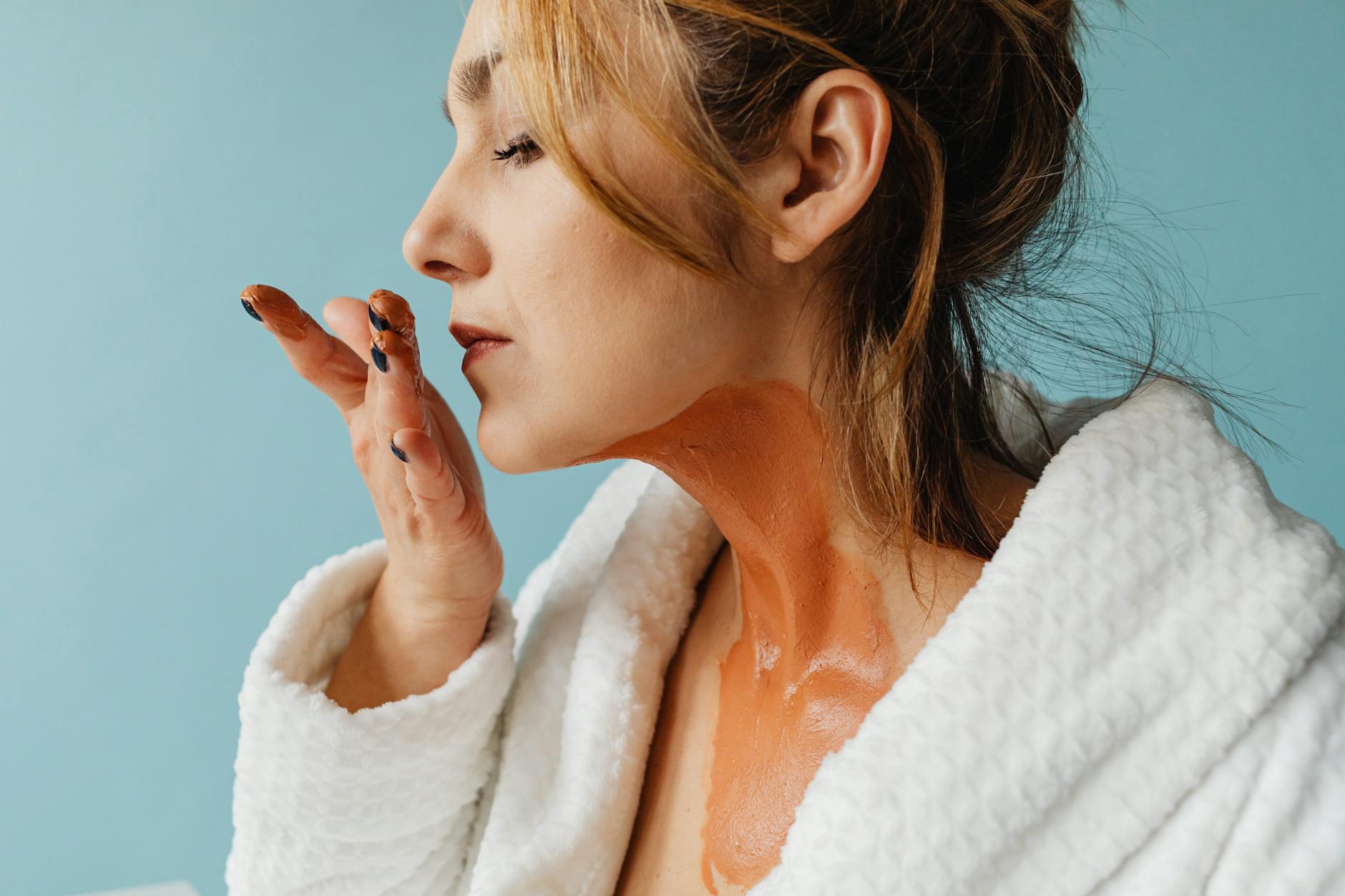
How to Build a Clean Beauty Routine from Scratch: A Beginner's Step-by-Step Guide
Building a clean beauty routine doesn't require a dermatologist or a $500 budget. This guide walks beginners through every step — from decoding ingredient labels to choosing clinically effective natural products that actually deliver visible results.
14 min read
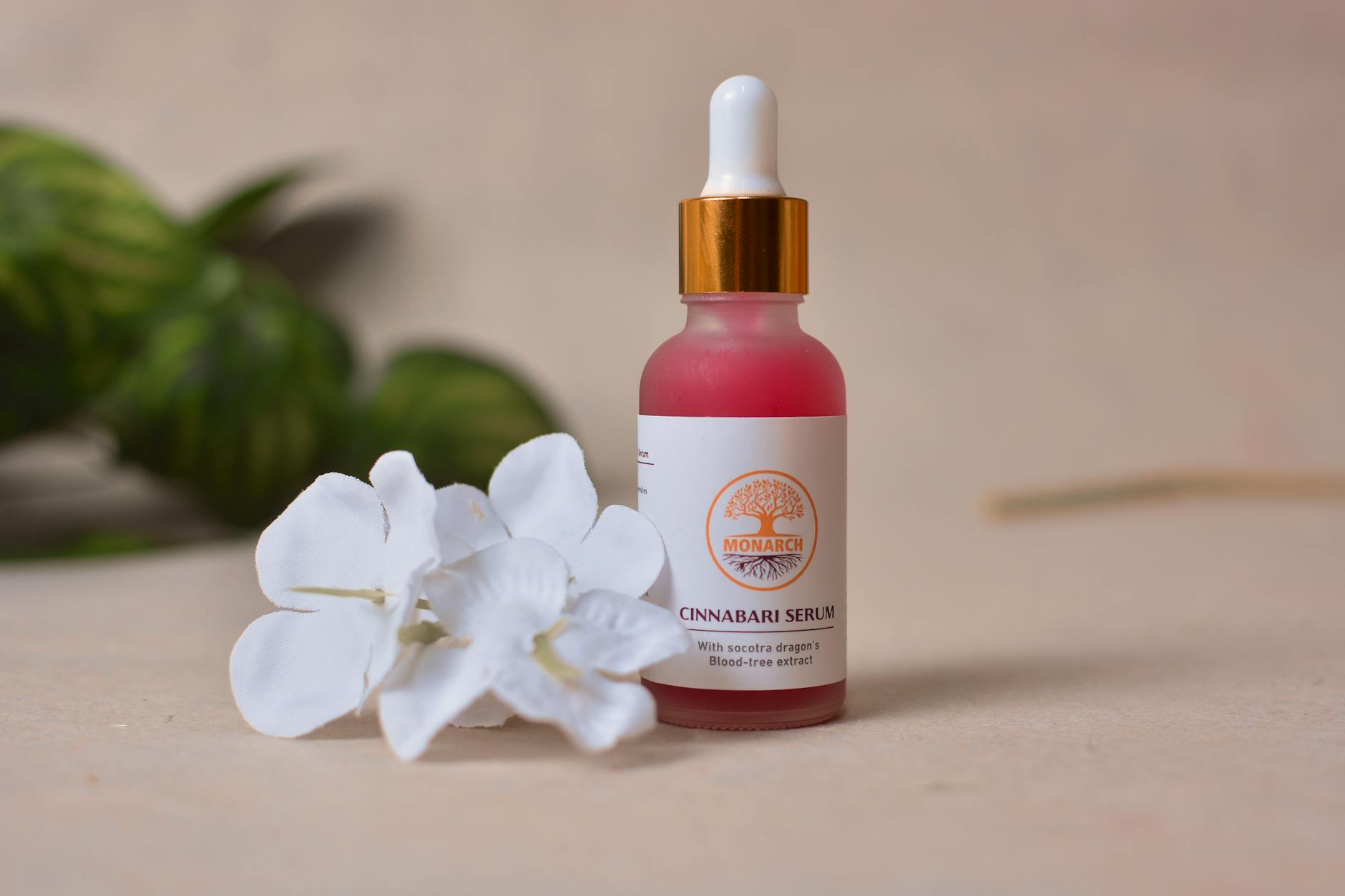
The Complete Vitamin C Serum Guide: What Actually Works (and What Doesn't)
Not all vitamin C serums are created equal — and most shoppers don't know which form of vitamin C actually delivers results. This complete guide breaks down the science, the best formulations, and exactly how to use vitamin C serum for visible, lasting benefits.
12 min read